
The 12 Best Berlin Walking Tours
Berlin is a city of contrasts – shaped by medieval origins, Prussian history, division and reinvention. Anyone looking for a meaningful Berlin walking tour quickly realizes that the German capital reveals its true character through context and expert guidance. A professional guided tour in Berlin connects architecture, politics and everyday life in ways that individual sightseeing rarely achieves.
Whether historical city walks, alternative neighborhood tours, culinary experiences or thematic specialist tours – here are the 12 best Berlin city tours that bring together history, culture and contemporary urban life.
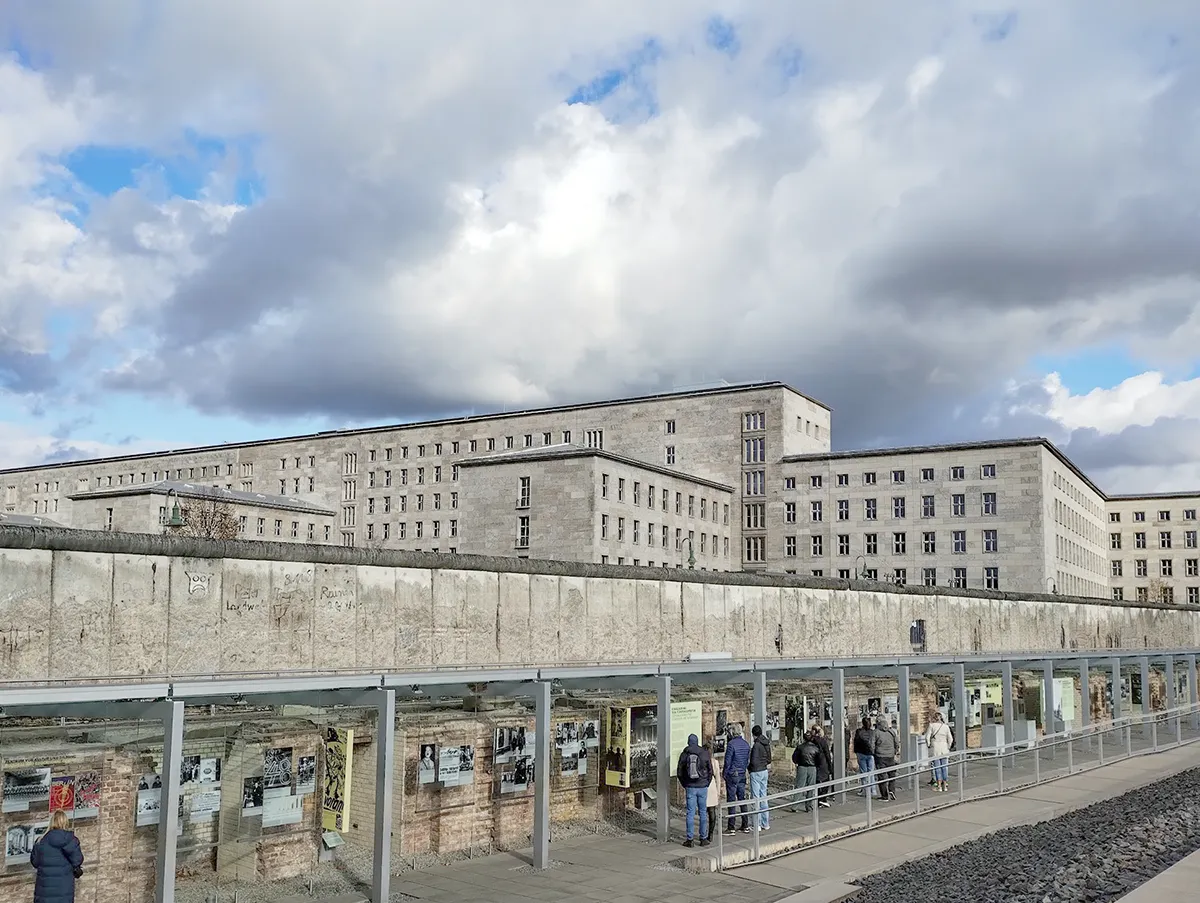
1. The Classic: Berlin Wall Tour – Traces of the Third Reich & the Cold War in Berlin-Mitte
The Berlin Wall still shapes the cityscape and the collective memory of the 20th century. This classic Berlin walking tour through Berlin-Mitte follows the former death strip while connecting the era of the Third Reich, World War II and the Cold War division.
The route leads from the Brandenburg Gate to Potsdamer Platz and Checkpoint Charlie. Along the way, you discover preserved wall segments, memorial sites and political landmarks that illustrate how Berlin became the symbolic frontline of global conflict.
More than a sightseeing experience, this guided tour in Berlin explains how dictatorship, war, occupation and reunification shaped the German capital. It is the perfect introduction for visitors who want historical depth combined with the city’s most iconic landmarks.
2. East Side Gallery Tour – Berlin Wall & Street Art Experience
The English name already hints at the contemporary significance of this memorial: the East Side Gallery is not only a monument to the sad history of Berlin’s division but also a symbol of post-reunification dreams and hopes. On this compact East Side Gallery tour, you will learn about the Berlin Wall, the iconic artworks, and the city’s urban transformation.

The tour covers one of Berlin’s three major Wall memorials and provides in-depth insights: from a site of oppression to an internationally recognized photography hotspot. Learn how the gallery was created after the fall of the Wall and discover the significance of its artworks in Berlin’s remembrance culture and urban development.
This East Side Gallery tour can be booked at any time of day, but it is particularly popular as an early evening tour. It pairs perfectly with a local dining experience, making it ideal for corporate outings, school groups, or other social gatherings. The tour can also be customized to end at a restaurant in the neighborhood if desired.
P.S.: An alternative to dinner is our Wrangelkiez Gastro Tour!
Book Tour3. Kreuzberg Food Tour: 5-Course Experience in the Wrangelkiez
This Kreuzberg food tour is one of the most personal and authentic culinary tours in Berlin. Often described as Berlin’s counterpart to Brooklyn, Kreuzberg is Germany’s most famous – and misunderstood – district. Migration, subculture, politics, and everyday life shape the 'Kiez' as well as its remarkable culinary diversity.
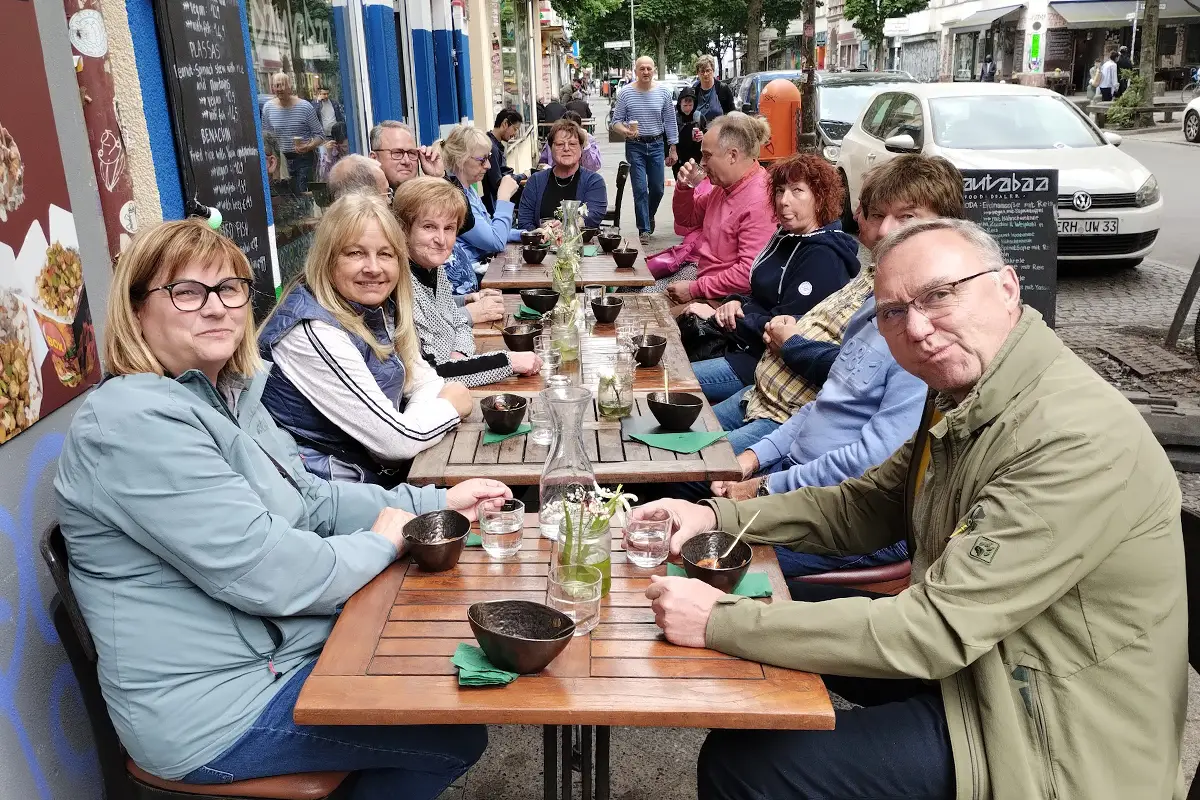
Unlike many food tours that try to cover too much, this private tour deliberately focuses on a small area. Your guide lives locally and maintains personal relationships with each restaurant. It’s a true neighborhood experience: unscripted, independent, and deeply rooted in local life. Currywurst or Döner only on request – there’s so much more to discover!
Special feature of this tour: Five full courses at different stops, with time to sit, interact, and understand how Kreuzberg’s history, migration, and social structure shape its cuisine. A small-group experience that feels like an invitation into the Kiez from someone who truly belongs.
4. Museum Island: The “Small” Public Tour
Once described by guests as “the tour you didn’t know you needed”, this two-hour walk offers a concise introduction to Berlin’s Museum Island as an architectural and historical ensemble. Rather than focusing in depth on individual collections, the emphasis here is on the bigger picture: the idea of the museum, urban development, and cultural identity.

The tour takes place mainly outdoors and explores the UNESCO World Heritage ensemble through architecture, sightlines, and historical ruptures. From the Bode Museum and the Neues Museum to the Humboldt Forum, it becomes clear how Berlin has developed since the 19th century – from a Prussian royal residence to imperial capital, dictatorship, divided city, and contemporary metropolis.
Museums are presented not merely as repositories of art, but as expressions of political and cultural agendas. Museum Island thus becomes a guiding thread connecting urban history, architecture, and intellectual history – an ideal orientation before further museum visits or a self-contained introduction to Berlin’s historic center.
Currently, this is the only tour in the Kontext program for which individual tickets are available. Book Tour
5. Berlin Museum Island Tour: The “Grand” Experience
This half-day Berlin Museum Island tour is designed for those who wish not only to visit Museum Island, but to truly understand it. Unlike highlight-focused tours, it offers an analytical perspective on architecture, art collections, and curatorial presentation. Three guided museum visits – to the Bode Museum, the Neues Museum, and the Pergamon Panorama – make this in-depth guided museum tour in Berlin a comprehensive introduction to this living lesson in cultural history.

The tour begins at the Bode Museum at the northern tip of the island – itself a monument of late 19th-century museum architecture. Following an overview visit, the tour continues through selected courtyards and exterior spaces of key sites such as the Humboldt Forum, the Schlüterhof, the Berlin Cathedral, and the Friedrichswerder Church, placing the ensemble within Berlin’s broader urban and political development.
Inside the Neues Museum – rebuilt by David Chipperfield and now considered a landmark example of museum reconstruction – masterpieces such as the bust of Nefertiti are examined in relation to collection strategy, exhibition history, and cultural context. The Pergamon Panorama illustrates how ancient objects are presented and interpreted, revealing how the famous Pergamon Altar was originally integrated into its surrounding landscape.
This extended Museum Island guided tour provides a framework for understanding the UNESCO World Heritage Site in all its complexity: from its 19th-century origins through destruction and reconstruction to its present-day role in Berlin’s cultural identity. It is ideal for visitors seeking a deeper architectural and historical perspective beyond a standard museum visit.
6. Potsdam Tour: Following in the Footsteps of Frederick II and the Palace Complexes

Discover Potsdam with an expert guide and dive into the fascinating world of Frederick II, the “Old Fritz” of Prussia. This private tour takes you through the splendid Sanssouci Park, showcasing sculptures, pavilions, and the famous praying ephebes. Each object tells a story blending mythology, politics, and artistic expression spanning centuries.
Visit, by arrangement, the Sanssouci Picture Gallery for an in-depth experience led by a licensed guide. Explore Frederick II’s collection of European masterpieces and learn about artists, periods, and the quirky details that make the gallery unique.
The tour continues through Potsdam’s historic landmarks: the Alten Markt, the classicist Nikolaikirche by Schinkel, and the charming Dutch Quarter with its red brick houses and cozy cafés. The combination of architecture, art, and city history offers a vivid insight into Potsdam’s rich cultural landscape.
Ideal for culture enthusiasts and art lovers, this tour uncovers the hidden treasures of Potsdam beyond the usual tourist paths.
Book Tour7. Friedrichshain Tour Berlin: Subculture, History & Spree Riverside
This Friedrichshain tour in Berlin explores one of the city’s most dynamic and debated neighborhoods. Some call Simon-Dach-Straße an Eldorado of tourist traps, others celebrate it as the heart of Berlin nightlife. For visitors and locals alike, Friedrichshain reveals a compelling mix of East Berlin history, subculture, and international energy.
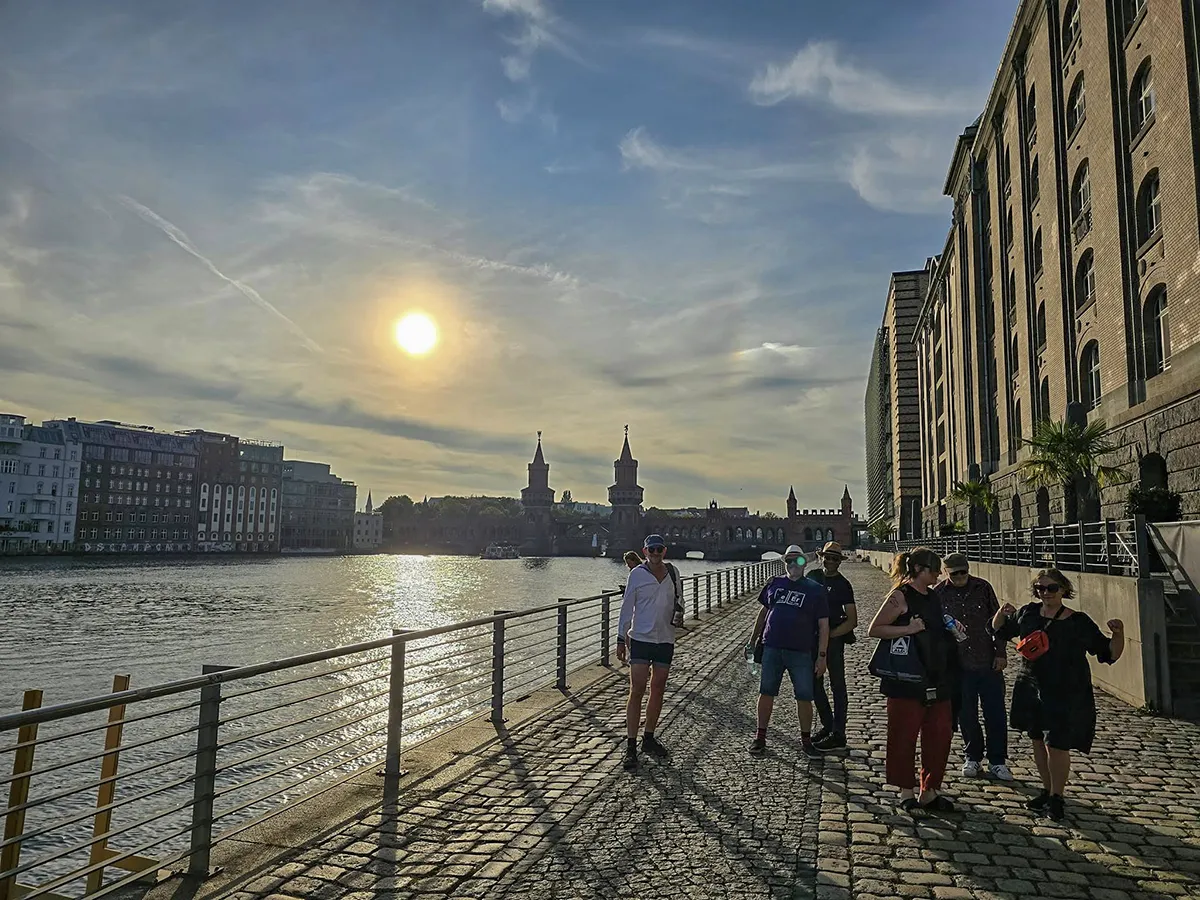
On this Berlin Friedrichshain walking tour, you encounter long-time Berliners, newcomers, students, creatives, and visitors – all sharing the same streets. Historic industrial buildings, late 19th-century façades, and socialist-era housing blocks illustrate the architectural layers of former East Berlin and the transformation after reunification.
The district’s culinary scene reflects its diversity: small cafés, international restaurants, vegan bistros, and traditional pubs. At the same time, traces of former squats, street art, and alternative cultural projects reveal why Friedrichshain became synonymous with Berlin’s rebellious and creative spirit. This alternative Berlin tour connects urban change, nightlife culture, and post-reunification development.
Those who look closely will notice the subtle contrasts: established neighborhoods meet new investment, creative spaces exist alongside commercial developments. It is precisely this tension that makes Friedrichshain one of the most exciting neighborhoods in Berlin – a place where the story of contemporary Berlin unfolds in real time.
In summer, this tour can be combined with a boat tour on the River Spree – a unique way to experience Berlin from the water. Please contact us for details.
Book Tour8. Bowie's Berlin: A Tour through Sound and Vision
This tour follows the footsteps of David Bowie in Berlin from 1976–1978 – a city divided by the Wall, the Cold War, and bursting with creative energy. The walk starts at Bertolt-Brecht-Platz and leads through Berlin-Mitte and Schöneberg to Bowie's former apartment. It paints a layered picture of Berlin in the 1970s.
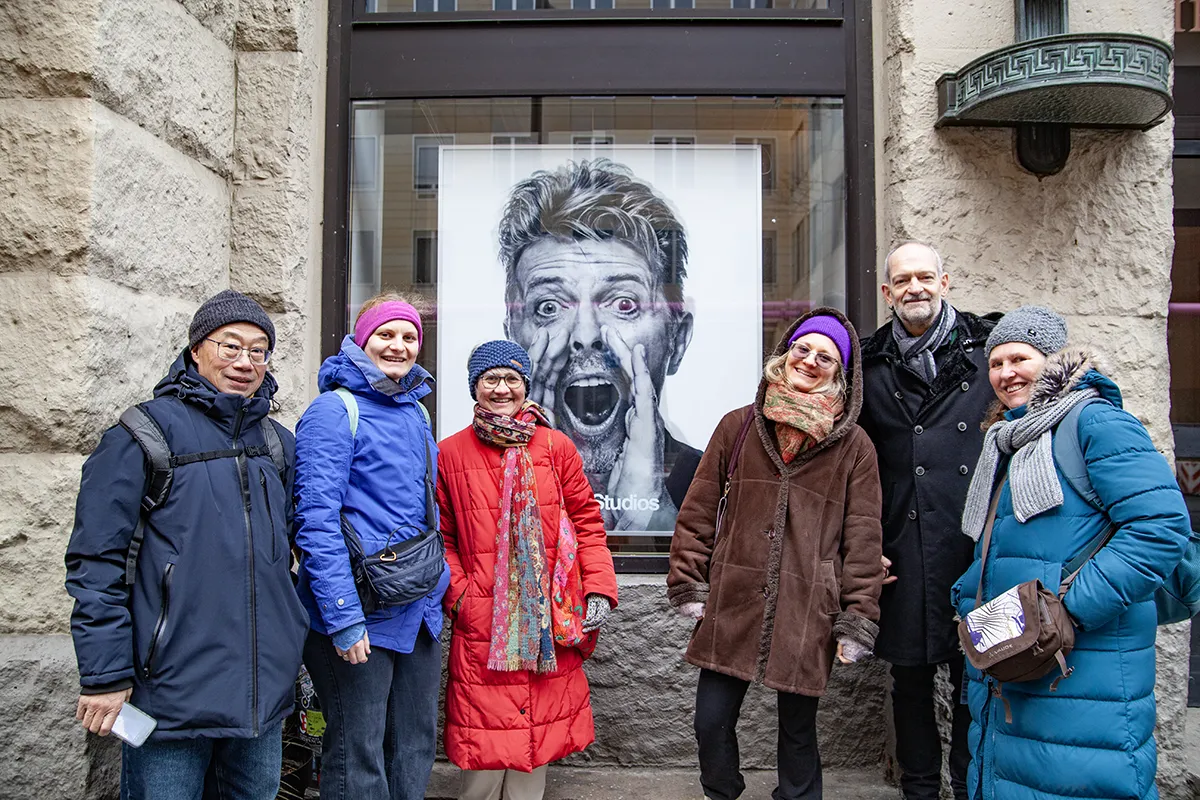
Later described by Bowie as “the happiest years of his life,” his Berlin years (1976–1978) marked a period of personal and artistic transformation. The so-called Berlin Trilogy includes the albums “Low”, “Heroes”, and “Lodger”. Locations like the Hansa Studio near the Wall, the area around Bahnhof Zoo, or the former “Chez Romy Haag” place this music in a very concrete historical context. Even though most sites – including the studio and Bowie's apartment in Schöneberg – can only be viewed from the outside, their significance becomes clear in the interplay of city and music history.
The tour also narrates the political climate of the Cold War, West Berlin as an island city and magnet for artists, as well as the people and communities that influenced Bowie’s creative reorientation. A curated soundtrack accompanies the walk, connecting the locations with the sounds created there. It becomes evident why Berlin was more than a home for Bowie – it was a resonance space at the end of the world for artistic renewal.
Book Tour9. Queer Tour Berlin – City Tour: Queer Berlin Then & Now
Even during the German Empire, Berlin became an international hub for queer people from across Prussia and beyond. The city’s extraordinary history is reflected in the development of queer life – from early emancipation movements to persecution and destruction, and eventually to new visibility and self-determination.

This three-hour queer tour begins at Nollendorfplatz in the heart of Schöneberg – the historic epicenter of queer Berlin. Over a century ago, a vibrant gay and lesbian scene already thrived here. Icons like Marlene Dietrich and author Christopher Isherwood walked these streets; his Berlin novels later inspired the musical “Cabaret.”
Stops such as the former “Eldorado,” Romy Haag’s club in the 1970s, and the site of Magnus Hirschfeld’s Institute for Sexual Research provide insights into liberation, persecution, and new beginnings. The tour also includes landmarks like the Tiergarten with its historic meeting points, Unter den Linden, and the Humboldt University.
The city tour “Queer Berlin: Then & Now” combines cultural, social, and historical perspectives, showing how the LGBTQ+ community has continually fought for its place in the city and redefined it over time.
Book Tour10. Sachsenhausen Museum & Memorial Tour
The former Sachsenhausen Concentration Camp in Oranienburg was one of the central sites of the Nazi terror system. Between 1936 and 1945, over 200,000 people were imprisoned here. Tens of thousands were murdered, died from hunger, disease, forced labor, or were deliberately executed. Today, the site serves as a memorial and a place for historical education.

This guided Sachsenhausen tour follows the memorial’s concept, covering the different phases of the camp’s history – including biographies of victims and insights into perpetrator structures. Key sites include Tower A, the former prisoner barracks, the roll call square, the camp kitchen, the prison, the infirmary, and “Station Z” with the execution trench, killing facilities, and remnants of the crematoria.
Travel to the memorial is done together using public transportation from Berlin to Oranienburg, followed by a walk to the site. Our experienced guides are licensed for on-site tours. Upon request, the tour can also be tailored to focus on specific historical themes or interests.
Book Tour11. Berlin City Tour: Melting Pot of Cultures
Berlin’s history, dating back to 1237, is relatively young compared to other major European cities. From early on, the city experienced phases aimed at increasing its population through invited migration. Even today, more than 50 % of residents within the Berlin Ring moved to the city after 1989, making it a dynamic, multicultural metropolis.
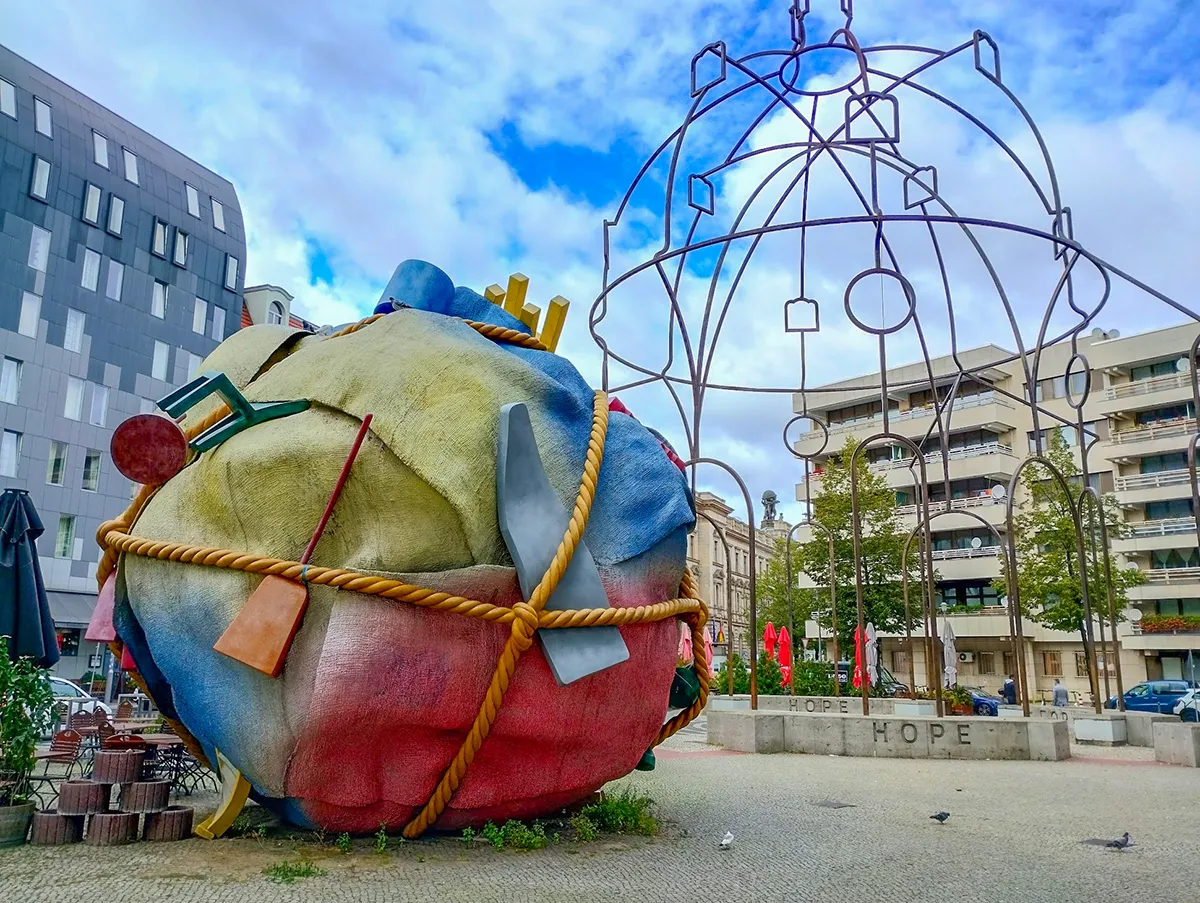
Berlin has always been a melting pot of cultures. This Berlin city tour highlights the traces of immigration visible in the urban landscape – from the Huguenots in Friedrichstadt and 19th- and 20th-century migration waves to the modern New Berliners after 1989. The tour combines historical facts, anecdotes, and personal stories, illustrating how migration has shaped Berlin’s architecture, neighborhoods, and social structures.
Led by our 'Kontext' section guides, this tour is ideal for educational groups – but also engaging for anyone curious about Berlin’s cultural layers. Long-time Berliners and New Berliners alike discover how diversity has continuously shaped the city.
Book Tour12. Berlin Tour: Buildings as Art – Schinkel’s Architecture in Berlin Mitte
Karl Friedrich Schinkel is considered one of the most influential German architects of the 19th century and a pioneer of architectural modernism. Fortunately, many of his major works have survived in Berlin’s historic center – shaping the cityscape around Museumsinsel, Gendarmenmarkt, and Unter den Linden to this day.

This Schinkel tour Berlin is not a conventional architecture tour. Schinkel was not only an architect but also a painter, stage designer, and visionary. His buildings can be read as artworks – compositions of perspective, spatial effect, and political symbolism. This perspective serves as the guiding theme of the tour.
The walking route starts at the Brandenburg Gate and continues via Museumsinsel to Neue Wache, Schlossbrücke, the Alte Museum, Schinkelplatz with the Bauakademie, and finally to the Schauspielhaus at Gendarmenmarkt. Along the way, the tour highlights both the innovative architecture and the historical context, as well as the lasting influence of the so-called “Schinkel School” on Berlin’s building culture.
The Schinkel tour Berlin combines architecture, art, and Berlin history – with facts, anecdotes, and a genuine passion for these extraordinary buildings.
Book Tour


