-
Migration shapes culture: Kreuzberg from a social science perspective
-
by and with: Lee Volin
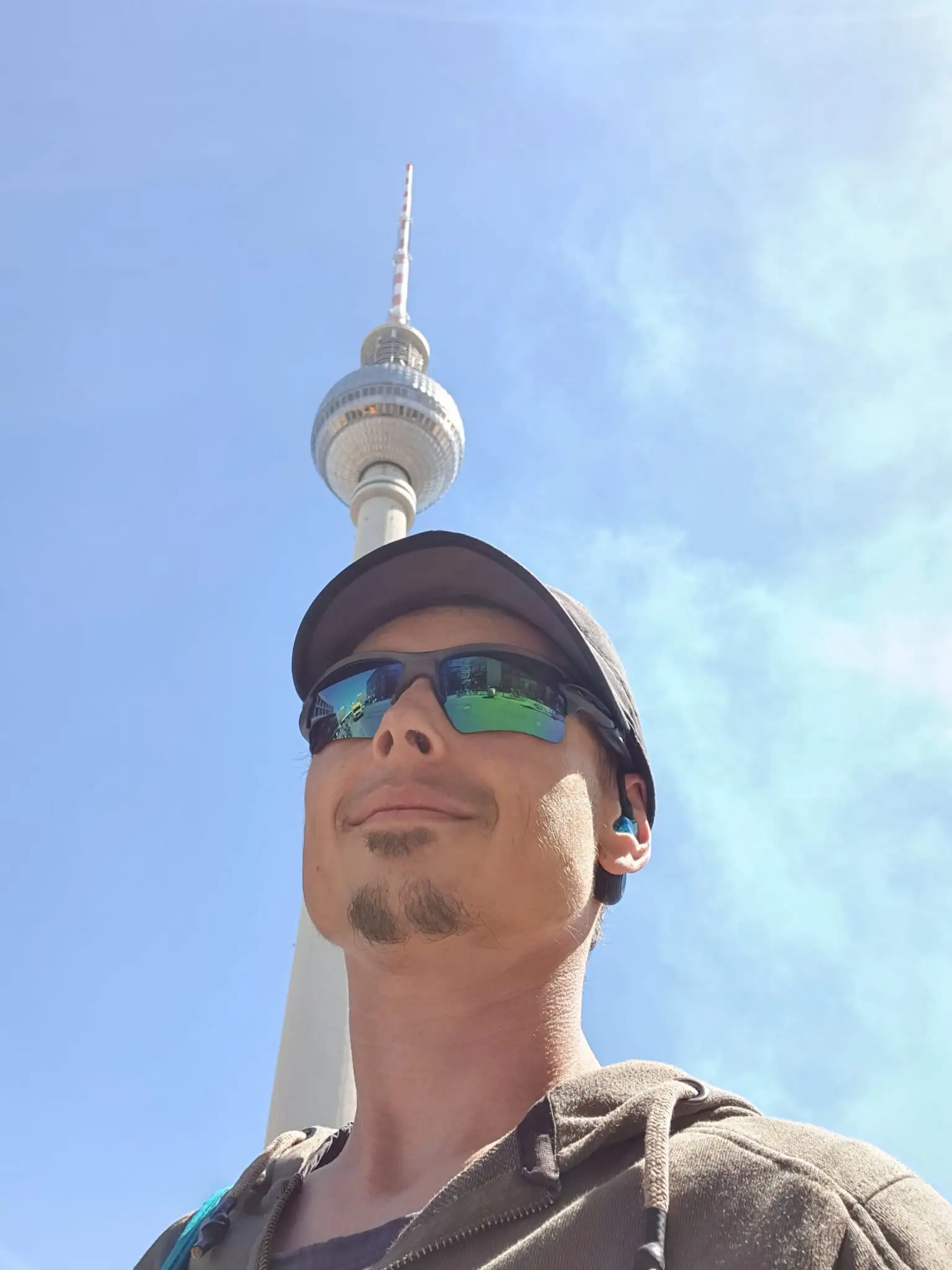
 Lee Volynskaja:Lee was born in Moscow and spent his childhood partly there and partly in Munich. Hence, life bestowed upon him an early fascination with the contrasts between cultures, historical perspectives, political and social systems.
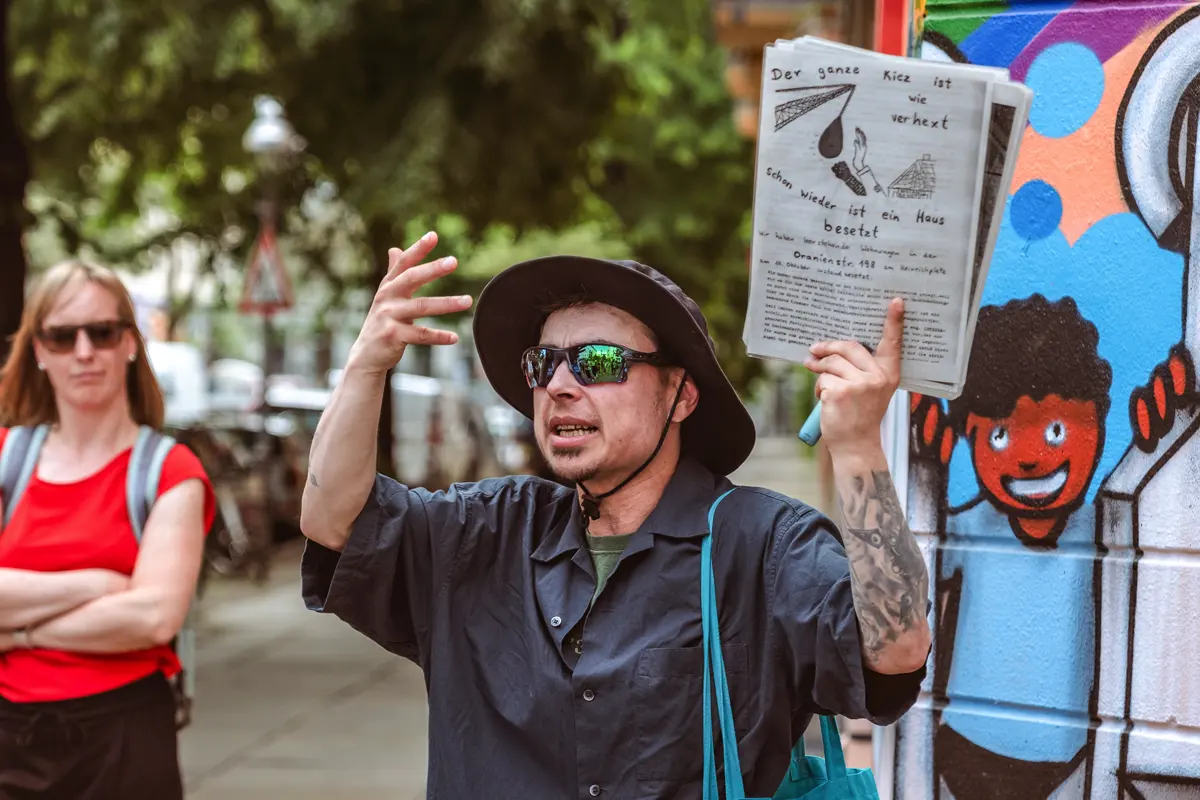
In his tours, Lee has a specific focus on the interactions between history, the present, surroundings, and the individual.
At the age of 17, Lee moved to Berlin, studied event management, and became part of the city's diverse subcultures.
After numerous stays abroad (including in West Africa, Marseille, Poland, and Barcelona), Lee made a brief foray into the world of online marketing and digital nomadism – a professional life full of diverse impressions, but unfortunately rarely offering opportunities for deep exchange.
One morning, Lee woke up in Gibraltar and spontaneously applied to a travel service provider. This email led Lee to his calling: what followed were travels through Poland, Scandinavia, and the Benelux countries, and training as a certified study tour guide at the Tour Guide Academy in Vienna, where Lee now also works as an examiner.
Lee now lives on the district border between Kreuzberg and Neukölln – to the right, the trendy Grefekiez, and to the left, the Reuterkiez, a favorite among tabloid journalists for horror headlines. There, he studies social psychology and, together with Mag. Sabine Tanner, is preparing the opening of the Tour Guide Academy Germany.
Lee looks back proudly on over 300 city tours in Berlin – each of which he describes as a unique experience. - 2.5 - 3 hours
- Private tours from 299€ up to 10 participants
(additional tickets: 11€ p.p.)
Details:
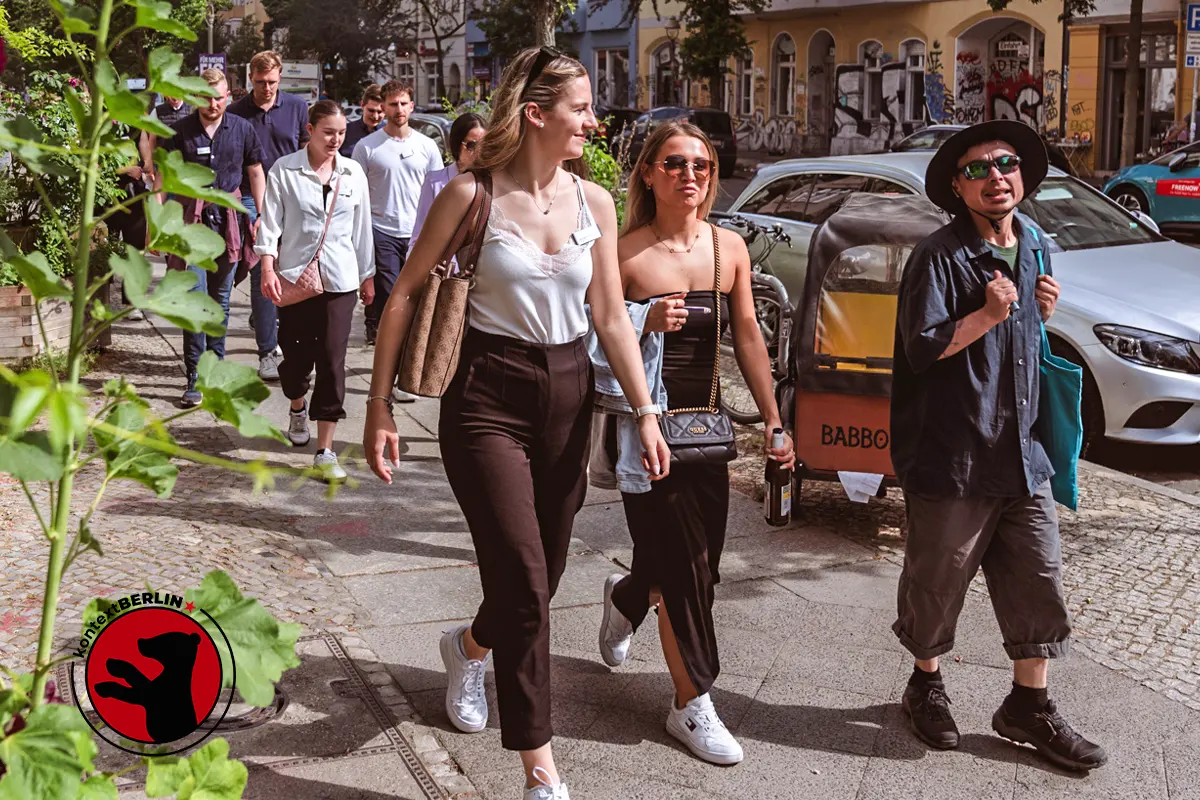
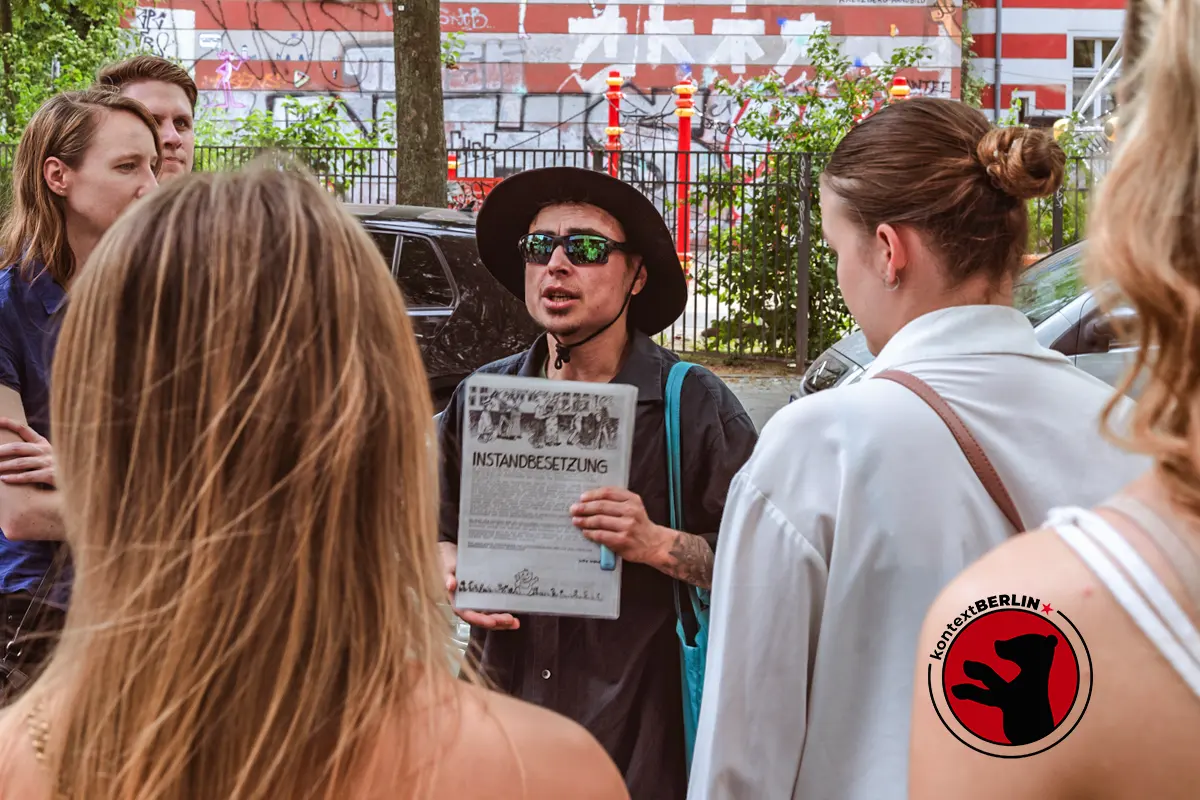
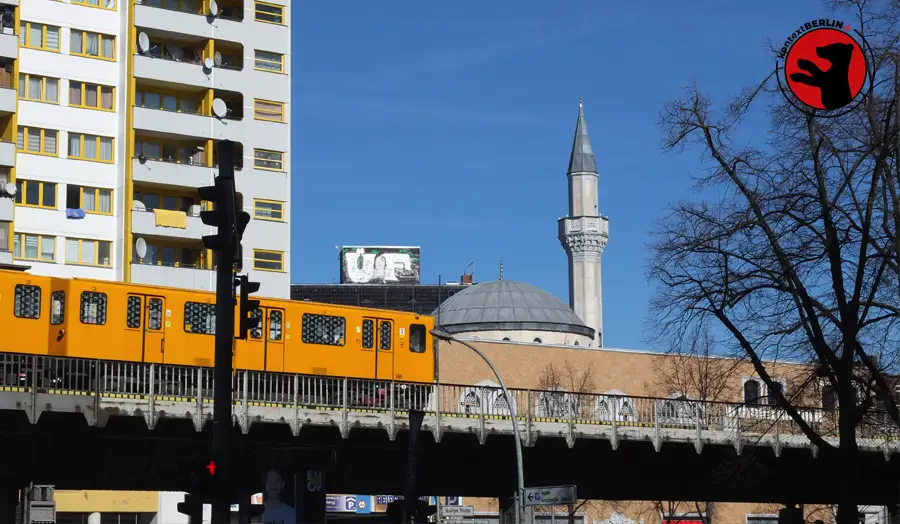
The culture of Berlin (and Germany) is shaped by various intercultural interactions - such as the colonial era and its consequences, or the stationing of soldiers and acquisition of migrant workers after WW2. Their influences are concentrated in Kreuzberg and visibly characterise the streetscape. This guided tour explores their significance.
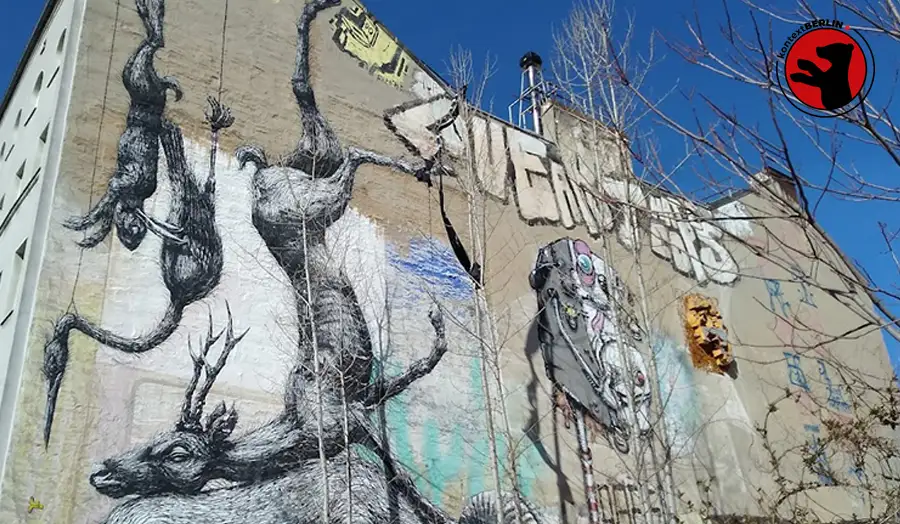
West Berlin's international milieu attracted activists and artists from all over the world and became a breeding ground for the “Neue Schwarze Bewegung” (Germany’s New Black Movement), as well as for the German punk and graffiti scene. Communities of guest workers and refugees from Turkey, Asia, and Africa emerged in both West and East Berlin. To this day, they fight for their achievements, contributions and needs to be recognised. This three-hour walking tour thematises quantitative data and shows qualitative examples of the implications these impulses have for the present.
West Berlin's international milieu attracted activists and artists from all over the world and became a breeding ground for the “Neue Schwarze Bewegung” (Germany’s New Black Movement), as well as for the German punk and graffiti scene. Communities of guest workers and refugees from Turkey, Asia, and Africa emerged in both West and East Berlin. To this day, they fight for their achievements, contributions and needs to be recognised. This three-hour walking tour thematises quantitative data and shows qualitative examples of the implications these impulses have for the present.


