
-
The Historical Archaeology of Medieval Berlin
-
by and with: Dr Jamie Sewell

 Dr Jamie Sewell
I am from the UK, but a fateful romance with an East German girl from Berlin led me to move to Berlin in 1999 - a sound decision, for we are still together!
Professionally, I have had many guises, but I eventually found my calling: history.
I received a BA in History and Archaeology and a PhD in Roman Archaeology from the University of London. I have supervised university-run excavations in Britain, Romania, Germany and Italy, including Pompeii, and I have lectured at the universities of Humboldt and Durham.
I was also active for many years as a field archaeologist in Berlin, enjoying the fulfilment of being able to shed new light on Berlin’s Medieval and Early Modern history from its buried material culture.
Out of a need for a part-time job during my PhD research, I started guiding in Berlin in 2004, and it has subsequently become a passion. Meanwhile I have led thousands of tours in this city. I consider myself incredibly fortunate to have a job that I adore.
Berlin is endlessly fascinating. I love the ongoing creative processes of discovering new stories, contextualising them, and finding ways to retell them in engaging and entertaining ways. Berlin has totally transformed since I moved here and I relish the challenge of adapting to these changes as a guide. Meeting new people every day and hearing their stories is as rewarding as improving the quality of their holidays through my work. Explore Berlin’s hidden past beyond the usual paths
- Group rate: €299 (up to 10 people)
Each additional person: €11, accompanying staff free of charge - Choose your date and time – contact us for a bespoke experience
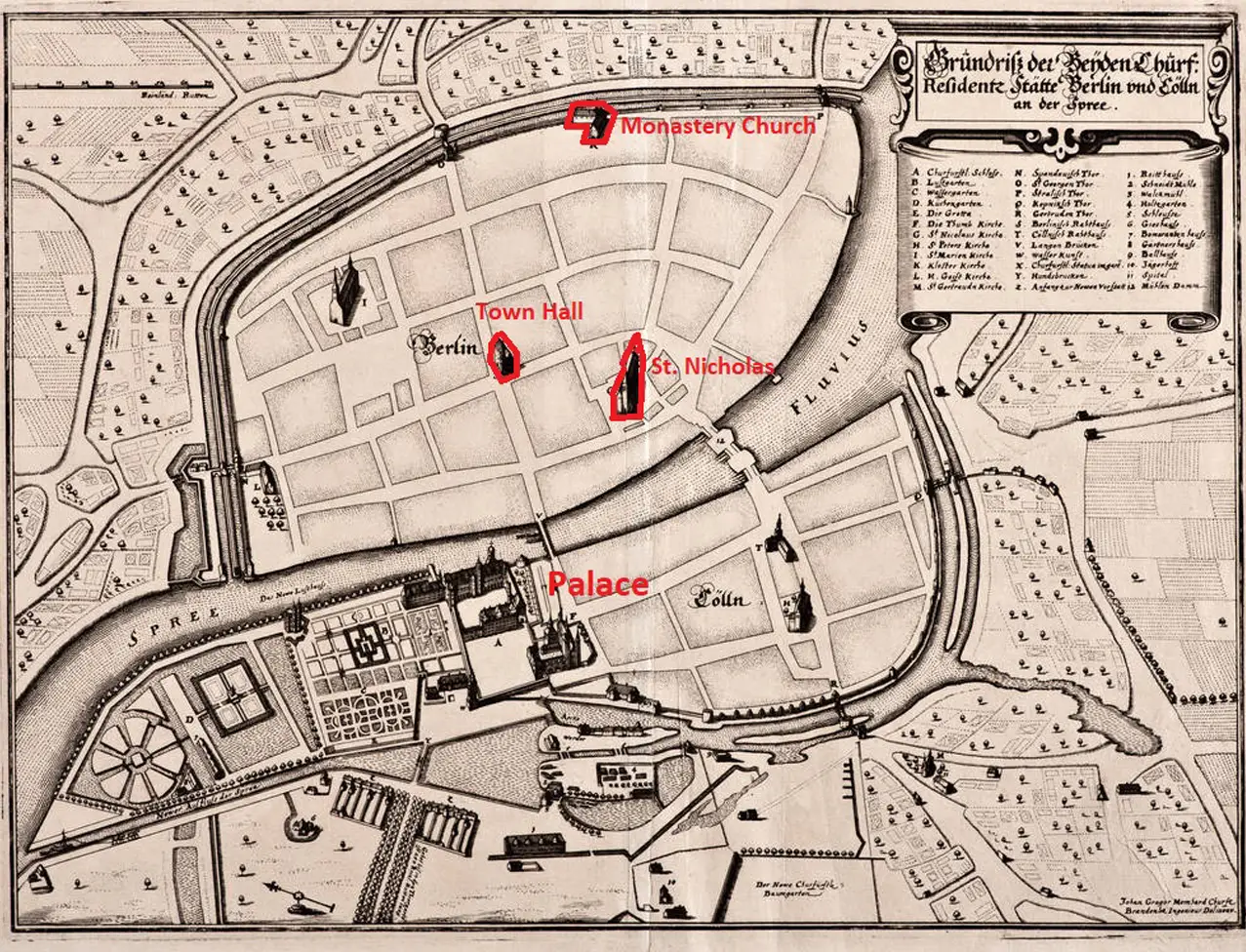
Learn how Berlin’s exploitation of its river, the Spree, led to it rapidly becoming the region’s most vibrant economic centre. See Berlin’s magnificent town hall, and the reconstruction of its court house where rough justice was once administered.
At the site of the vast royal palace, now replicated in its original location, find out why its original construction in the 15th century sparked a local uprising.
Discover how the communist regime of East Germany attempted to revive the city’s medieval heritage at the St. Nicholas’ Quarter, and how new results from the most recent historical and archaeological research are transforming our understanding of the city’s early development. Recent excavations have also told us much about other aspects of the region’s history, both before and after the medieval period, all the way up to the Second World War.
- Heiliggeistkapelle
- Marienkirche
- Rotes Rathaus
- Humboldt Forum
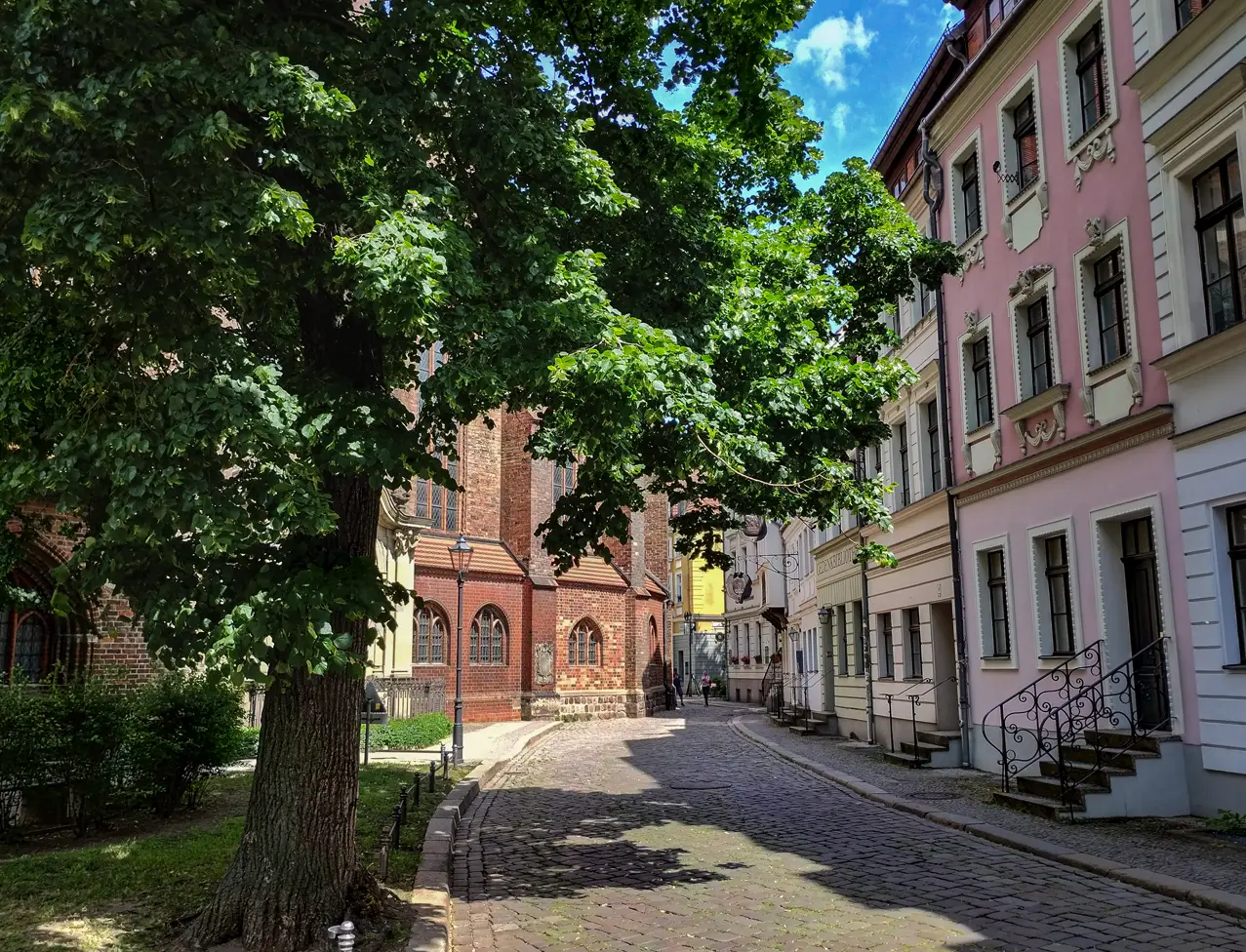
- Nikolaiviertel
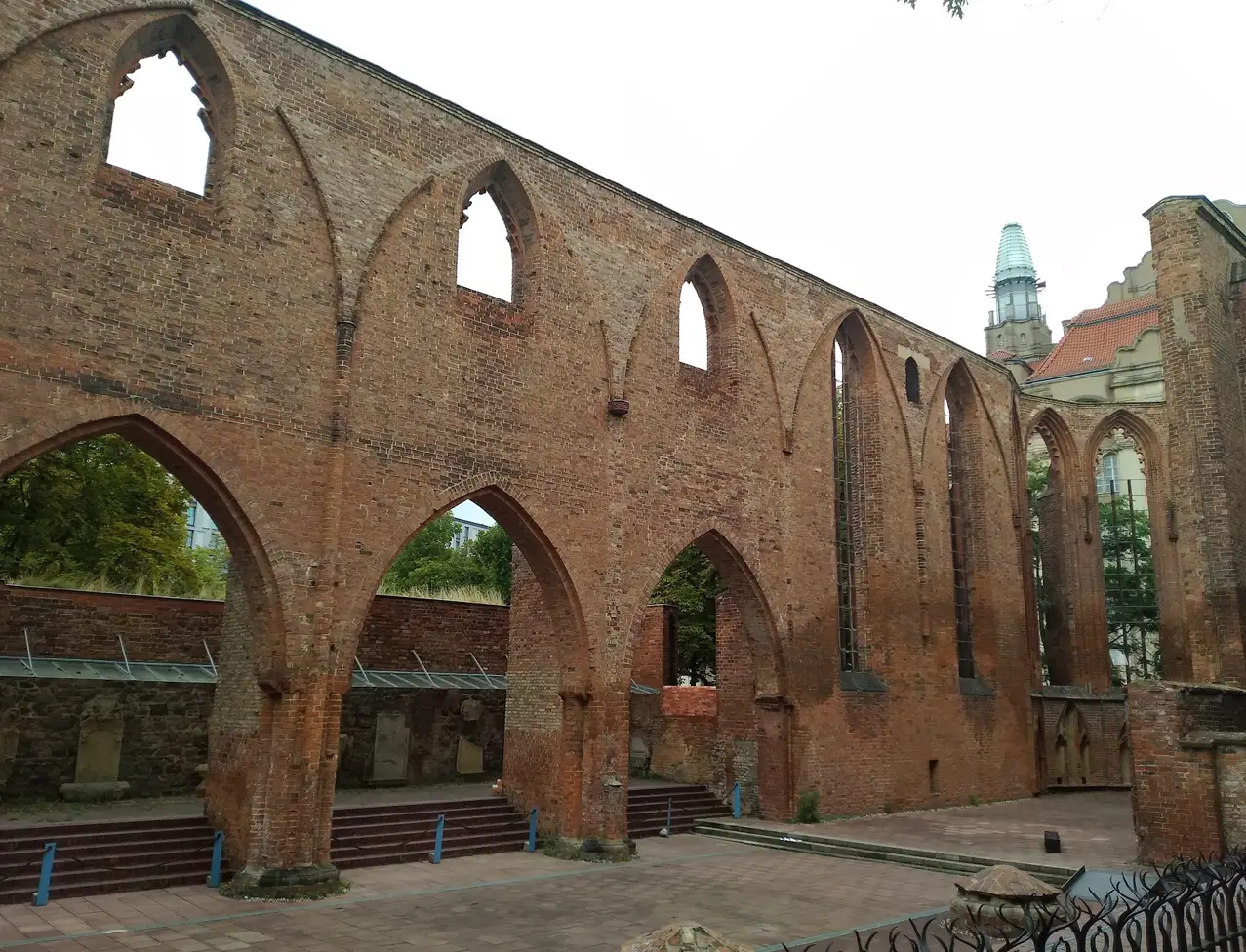
- Fransiskaner-Klosterkirche
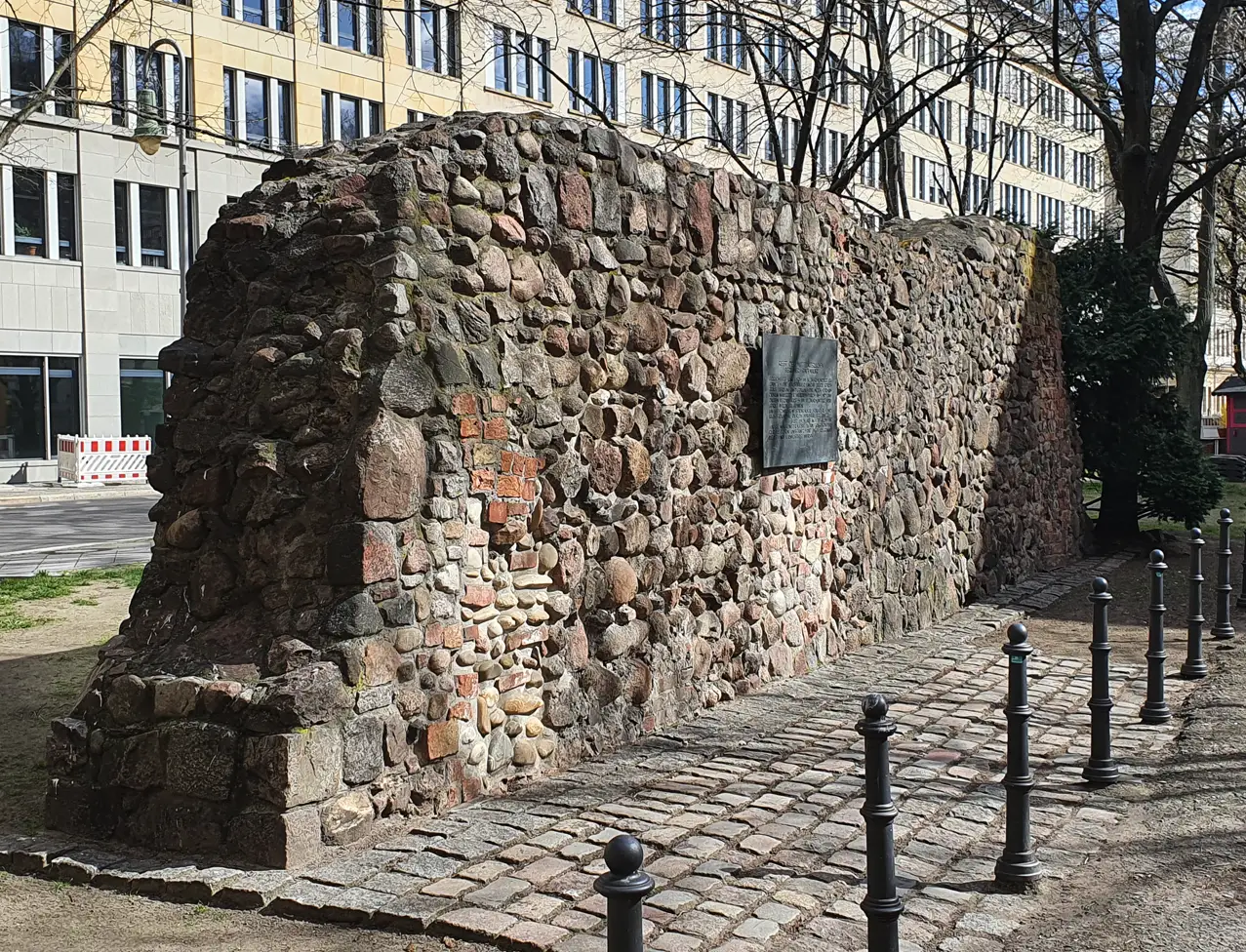
- Alte Berliner Stadtmauer
- Mühlendammbrücke
- Petriplatz


